

How to choose the right Night Vision Scopes & Optics
Night vision scopes and optics help hunters, landowners, and outdoor users see with available light or IR illumination when thermal is not the right fit. This collection includes digital and traditional night vision options for predator hunting, property use, navigation, and field observation.
Choose night vision when you need more natural scene detail, easier target recognition, and a familiar view of the environment. Choose thermal when detecting heat through darkness, brush, fog, or cover matters more than seeing visual detail. If you are unsure which setup fits your hunt, call Thermal Bros and we will help you choose based on your terrain, distance, and budget..
Need help deciding? Visit our FAQ, browse related collections, or use our contact page for one-to-one guidance.
-
 In Stock
AGM Spectrum LRF 4K Night Vision Scope
Regular price $1,195.00Regular priceUnit price per -
 In Stock
RIX Tourer T50 4K Digital Day/Night Vision Riflescope
Regular price $899.00Regular priceUnit price per -
 In Stock
RIX Tactical RNV-31 Night Vision Goggle | Gen 2+ Dual Tube Binocular
Regular price $3,999.00Regular priceUnit price per -
 Out of Stock
Pulsar Digex C50 Night Vision Scope
Notify Me When AvailableRegular price $1,399.00Regular priceUnit price per -
 In Stock
RIX Tactical RNV-31S Dual-Tube Night Vision Goggle
Regular price $4,499.00Regular priceUnit price per -
 In Stock
RIX Tactical RENV-B Enhanced Night Vision Fusion Binocular
Regular price $8,999.00Regular priceUnit price per -
 In Stock
RIX Tactical RIP-3C IR Laser Sight with Green Visible Laser and VCSEL Illuminator
Regular price $949.00Regular priceUnit price per -
 In Stock
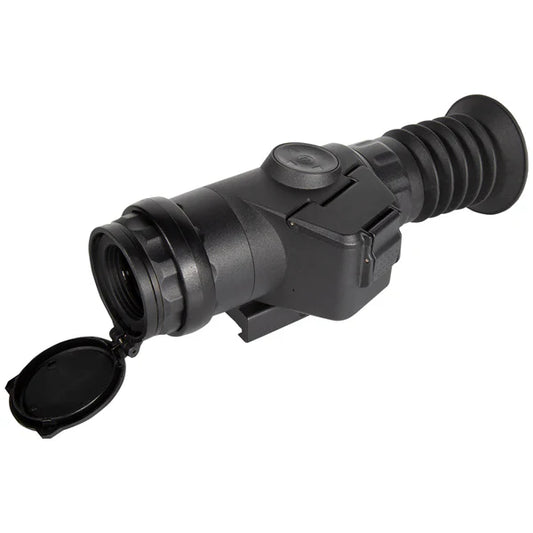
Sightmark Wraith 4K Mini Night Vision Scope
Regular price $699.97Regular priceUnit price per -
 In Stock
Sightmark Wraith 4K Mono Night Vision Scope
Regular price $699.97Regular priceUnit price per


Night Vision Scopes & Optics for Hunting, Ranch Work, and After-Dark Use
Night vision scopes and optics are for hunters, ranchers, landowners, and night-use buyers who need more detail after dark than a thermal image can show. This collection includes digital night vision rifle scopes, dual-tube night vision goggles, fusion binoculars, and IR support gear for hog hunting, predator calling, property checks, and hands-free movement after dark.
Start with the job first. A digital night vision scope is for aiming through the rifle. A night vision goggle is for movement and observation. A fusion device adds thermal detection to night vision detail. The right setup depends on your terrain, lighting, rifle, helmet setup, and whether you need to shoot, scan, move, or identify.
How to Choose the Right Night Vision Setup
Night vision is not one category. A digital day/night scope, dual-tube goggle, fusion binocular, and IR laser all solve different problems. Before comparing specs, decide what the optic needs to do in the field.
Choose a digital night vision scope if you need a rifle-mounted aiming optic
Digital night vision scopes are a practical option when you want an optic mounted on the rifle for hog hunting, predator calling, feeder setups, or known shooting lanes. They rely on available light and IR illumination, but they can give a more natural-looking image than thermal when detail and target ID matter.
Current rifle-mounted options to compare include the Sightmark Wraith 4K Mini Night Vision Scope, Sightmark Wraith 4K Mono Night Vision Scope, AGM Spectrum LRF 4K Night Vision Scope, and Pulsar Digex C50 Night Vision Scope.
Choose dual-tube night vision if movement matters
Dual-tube night vision goggles are built for hands-free movement, observation, and better depth perception than a single-eye setup. They make more sense when you are walking, navigating, checking property, or spending long periods under night vision instead of only aiming from a fixed rifle position.
Current RIX Tactical goggle options include the RIX Tactical RNV-31S Dual-Tube Night Vision Goggle and the RIX Tactical RNV-31 Night Vision Goggle.
Choose fusion if you need night vision detail and thermal detection
Night vision helps you see terrain, fences, trails, brush, and natural detail. Thermal helps you detect heat. Fusion combines both ideas in one system, but it also adds cost, weight, and setup considerations. It is not necessary for every hunter, but it can make sense for serious night-use buyers who need both navigation and heat detection.
For a live integrated fusion option, compare the RIX Tactical RENV-B Enhanced Night Vision Fusion Binocular. If your main job is finding heat instead of moving under night vision, also compare our thermal handhelds and thermal binoculars.
Choose IR support gear if your night vision setup needs more light
Digital night vision and image-intensified night vision both depend on light. On dark, cloudy, or moonless nights, IR support can make a major difference. An IR laser or illuminator is not something every buyer needs, but it can be important for a dedicated night vision rifle or helmet setup.
If you are building a night vision setup that needs aiming and illumination support, compare the RIX Tactical RIP-3C IR Laser Sight with Green Visible Laser and VCSEL Illuminator. Make sure the optic, rifle, mount, helmet, and use case all line up before buying.
Night Vision vs Thermal: Which One Do You Need?
Choose night vision when you want detail, terrain awareness, a more natural sight picture, and better visibility of fences, trails, brush, gates, buildings, and animal features. Choose thermal when the main job is finding heat fast in darkness, brush, fog, or open country.
Many serious night hunters use both. Thermal is often the better scanning tool because it detects heat quickly. Night vision can be better for movement, navigation, and detail. If you are not sure which direction fits your setup, compare this page with our thermal rifle scopes, thermal handhelds, and thermal scope buyer’s guide.
Who Night Vision Scopes and Optics Are Best For
- Hunters who want a more traditional-looking image after dark.
- Hog and predator hunters working feeders, fields, lanes, or known distances.
- Ranchers and landowners who need to check property, livestock, gates, pens, and structures after dark.
- Buyers who need detail and identification more than pure heat detection.
- Users building hands-free helmet-mounted setups for movement and observation.
- Buyers who want night vision plus thermal detection in a fusion device.
Who May Want Thermal Instead
- If your main goal is finding animals as fast as possible, thermal is usually the better first tool.
- If you hunt in thick brush, low contrast, or changing light, thermal can detect heat that night vision may miss.
- If you do not want to manage IR illumination, a thermal optic may be simpler.
- If you need to scan large areas before the shot, start with thermal handhelds before choosing a night vision-only setup.
- If you are mainly shopping by value, compare current options with our used, demo, and refurbished thermal and night vision collection.
Popular Night Vision Product Lanes
Sightmark Wraith digital night vision scopes
The Sightmark Wraith 4K Mini Night Vision Scope and Sightmark Wraith 4K Mono Night Vision Scope are practical digital night vision options for buyers who want rifle-mounted night capability without jumping into thermal pricing. They make sense for known-distance setups, feeder hunting, and hunters who are comfortable using IR support when needed.
AGM Spectrum LRF 4K
The AGM Spectrum LRF 4K Night Vision Scope is a digital day/night riflescope for buyers who want a rifle-mounted optic with onboard rangefinding. It is worth comparing if you want a digital scope format and distance confirmation built into the setup.
Pulsar Digex C50
The Pulsar Digex C50 Night Vision Scope is for buyers who want a traditional scope-style digital night vision optic from Pulsar. It fits hunters who want day and night use in a familiar rifle scope format.
RIX Tactical night vision goggles
The RIX Tactical RNV-31S and RIX Tactical RNV-31 are dual-tube night vision options for buyers who need hands-free movement, observation, and better depth perception than a single-eye device.
RIX Tactical fusion and IR support
The RIX Tactical RENV-B Fusion Binocular is for buyers who want integrated night vision and thermal detection in one binocular-style device. The RIX Tactical RIP-3C is an IR laser and illuminator option for dedicated night vision setups that need aiming and illumination support.
Buying Factors That Actually Matter
Digital scope, goggle, or fusion device
A digital night vision scope is for aiming through the rifle. A goggle is for movement and observation. A fusion device is for buyers who need night vision detail and thermal detection together. Do not buy the most advanced format unless it actually solves your problem.
Ambient light and IR illumination
Night vision performance depends heavily on light. Digital night vision usually needs IR help in very dark conditions. If you hunt under tree cover, on overcast nights, or in places with little moonlight, plan your IR setup before judging the optic.
Identification versus detection
Night vision is good for seeing detail. Thermal is good for detecting heat. If your issue is telling what something is, night vision can help. If your issue is finding animals in the first place, thermal may be the better tool.
Mounting and rifle setup
Make sure the optic fits your rifle, rail space, eye relief, mount, and recoil needs. A good optic can still be frustrating if the mount height, balance, or rifle setup is wrong.
Helmet compatibility
Helmet-mounted night vision needs more than the optic. You need the helmet, mount, bridge or dovetail setup, battery plan, counterweight, and total weight to make sense together. Comfort matters because a heavy or poorly balanced setup will not get used.
Budget and upgrade path
Night vision can be simple or very advanced. A digital rifle scope may be enough for feeder hunting or known-distance predator work. Dual-tube goggles and fusion devices make more sense when movement, observation, and long-term night-use capability matter.
FAQ: Night Vision Scopes and Optics
Is night vision good for hog and coyote hunting?
Yes, when the setup matches the terrain and lighting. Night vision can work well for hog and coyote hunting over feeders, fields, lanes, and known distances, especially with proper IR support.
Should I choose night vision or thermal?
Choose night vision if you want terrain detail, a natural-looking image, and better visibility of surroundings. Choose thermal if your main need is detecting heat quickly. Many hunters use thermal for scanning and night vision for movement or detail.
Do digital night vision scopes need an IR illuminator?
In many real hunting conditions, yes. Digital night vision can use available light, but an IR illuminator often improves clarity and useful range on dark nights, under trees, or when there is little moonlight.
Are dual-tube night vision goggles worth it?
Dual-tube goggles can be worth it if you move, walk, drive, observe, or work for long periods under night vision. They give a more natural view and better depth perception than a single-eye setup, but they cost more and are not necessary for every hunter.
What is fusion night vision?
Fusion night vision combines image-intensified night vision with thermal detection. The night vision side helps with terrain and movement. The thermal side helps detect heat. It is useful in the right setup, but it is more expensive and more complex than a simple digital scope.
Can Thermal Bros help me choose the right night vision setup?
Yes. If you are not sure whether you need a digital scope, dual-tube goggle, fusion device, IR laser, or thermal optic, contact Thermal Bros. We will help match the setup to your land, hunting style, rifle, helmet, and budget.
Why Buy Night Vision from Thermal Bros?
Thermal Bros looks at night vision by the job it solves: aiming, scanning, moving, identifying, or building a complete after-dark setup. We will give you plain-English guidance, tell you when thermal may be the better choice, and help you avoid overspending on gear that does not fit how you actually hunt or work.
Browse the live night vision scopes and optics below, compare the different product types, and reach out if you want help choosing the right setup before you buy.