




Quick answer
You have been asking for awhile now and Pulsar has delivered!
Who this is for
Best for
Best for buyers who need a dedicated rifle-mounted thermal optic and want Thermal Bros to confirm fit for terrain, distance, and budget.
Not ideal for
Not ideal for buyers who mainly need a scanner, binocular, clip-on, or night vision setup instead of a dedicated thermal scope.
Quick specifications
- Category
- Thermal Rifle Scopes
- Rangefinder
- Yes
Why buy from Thermal Bros
Full product description
|
Sensor |
640x480, 12 µm pixel pitch |
|
Lens / Magnification |
50mm, 3-24x |
|
Field of View |
8.8° (15.4 m @ 100 m) |
|
Rangefinder |
Built in, rated to 1,200 m |
|
Mount |
One-piece rail mount |
|
Best suited to |
Open-country shots past 300 yards |
The Pulsar Trail 3 XR50 Puts a 640 Sensor on a Compact Rail Mount
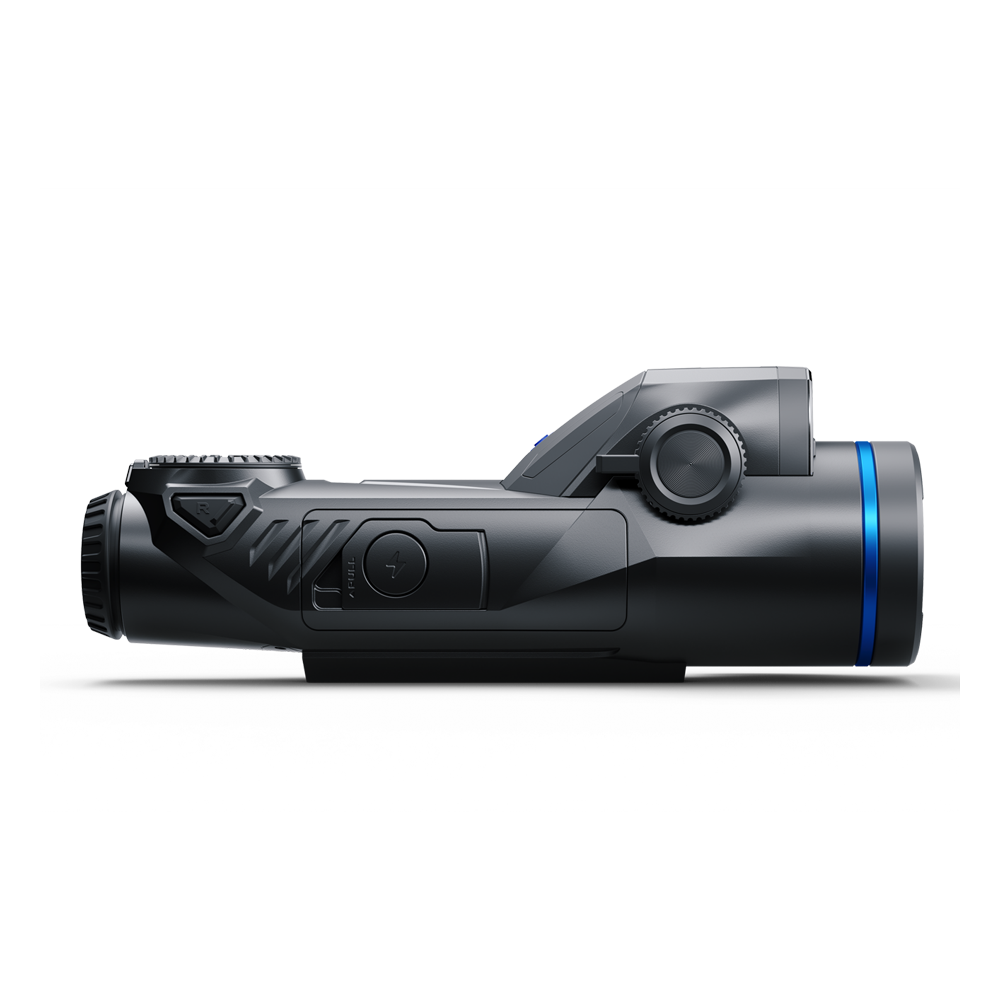
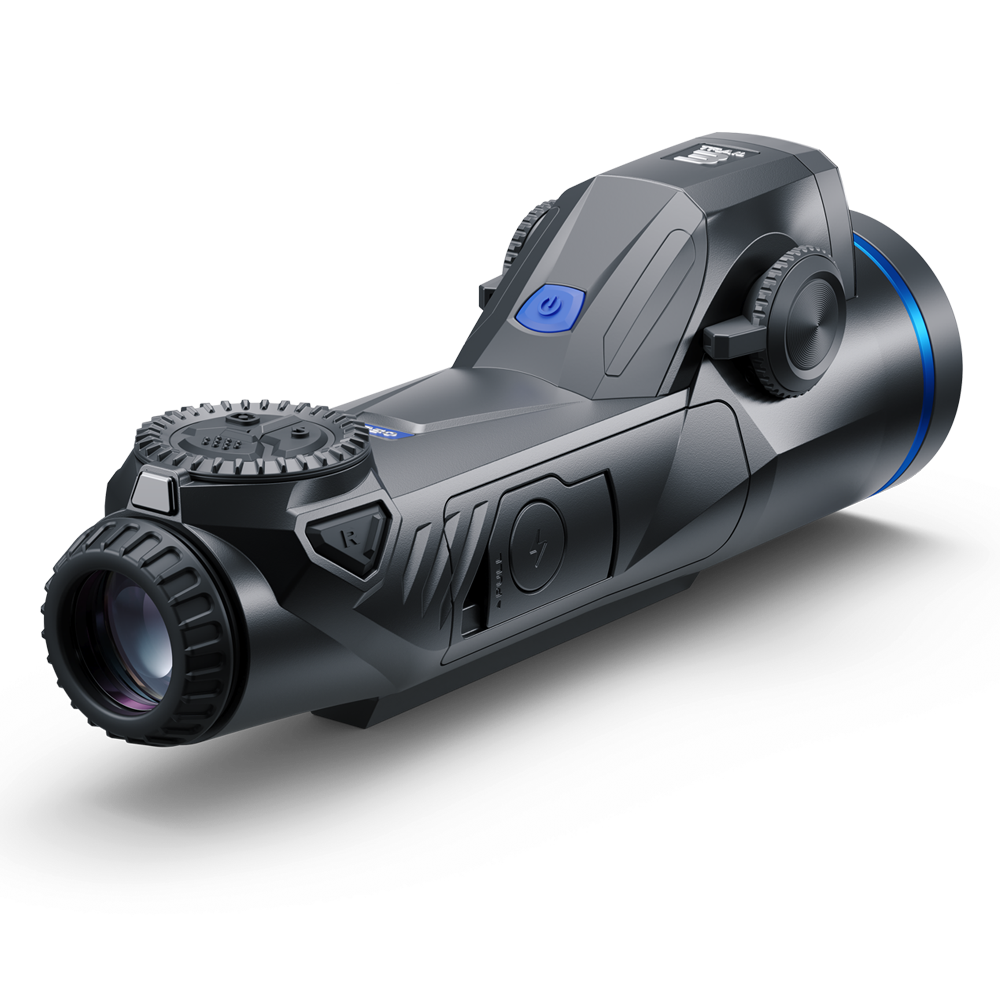
The Pulsar Trail 3 XR50 is a thermal rifle scope built on a 640x480 sensor behind a 50mm lens, with a laser rangefinder built into the housing. The Pulsar Trail 3 XR50 mounts as a single unit directly to the rail, rather than sitting in rings like a traditional scope, which keeps the profile short and solid on the rifle.
Its job is easy to describe. Find heat at distance, zoom in until you know what it is, range it, and take the shot without coming off the gun.
Browse other thermal scopes for open country hunting.
Small Pixels Let the XR50 Hold Detail Deep Into Its Zoom
The Pulsar Trail 3 XR50 starts at 3x magnification and zooms digitally to 24x. Every thermal scope zooms digitally, which means it enlarges pixels the sensor already captured. How far a scope can usefully zoom depends on how many pixels it starts with and how tightly they are packed.
The Trail 3 XR50 uses a 12-micron pixel pitch, tighter than the 17-micron pitch on the Trail 3 XQ50. That is why the XR50's image stays worth reading well into the top half of its zoom range instead of breaking into blocks. On a coyote sitting at the far side of a pasture, that is the difference between a shape and an answer.
A round picture-in-picture window on the XR50 can magnify the area around the reticle while the rest of the view stays at base power, so you can check an animal up close without losing the ground around it.
Open Fields and Long Lanes Suit the XR50's Narrow View
The Trail 3 XR50's field of view is 8.8 degrees, a narrow slice of the world and the honest cost of the magnification this scope starts at. On open ground that cost is small. Pastures, crop fields, pipeline cuts, and long fence lines give animals room to show up at distance, and that is where the XR50 does its best work.
In timber and thick brush the XR50's narrow view works against you, making a close hog or a coyote cutting across in front of you harder to pick up and stay on.
Ranging and Aim-Point Correction Happen Inside the XR50
The Trail 3 XR50's laser rangefinder is built into the scope, so you get a distance without taking your eye off the animal. Paired with Pulsar's Stream Vision Ballistics app, the XR50 can take that measured distance and shift your aiming point on the screen, so the holdover is worked out for you instead of in your head in the dark.
Laser reach and shooting distance are not the same thing on the XR50 or on any thermal scope. The laser will return a number well past the point where the image tells you what the animal is, and identification is what decides whether a shot is on.
Recording, Power, and Mounting on the XR50
Photos and video from the Trail 3 XR50 save to built-in storage and move to your phone through the Stream Vision 2 app. Power comes from a removable battery pack charged over USB-C, and the XR50's one-piece housing is rated for hard-kicking rifles, with focus wheels on both sides for left- or right-handed shooters.
Who Should Step Down From the XR50
If your shots mostly stay at close to moderate range, the extra detail the XR50 holds at distance will rarely come into play, and the Trail 3 XQ50 covers that work for less money. If you are still deciding between the two, our Trail 3 XQ50 vs XR50 comparison lays the choice out in one place.
Trail 3 XR50 FAQ
Does the Trail 3 XR50 have optical zoom or just digital?
It starts at a 3x optical base and zooms digitally to 24x. The small, tightly packed pixels on its 640 sensor are what keep the image usable as you push the zoom.
What is the picture-in-picture mode on this scope for?
It magnifies a circle around the reticle while the rest of the view stays at base power, so you can study an animal closely without losing sight of the ground around it.
Can this scope calculate my holdover automatically?
Yes. After you range an animal, Pulsar's Stream Vision Ballistics app lets the scope move your aiming point to match the distance, using the ballistic profile you set up for your rifle.
Is this scope usable if I'm left-handed?
Yes. Focus wheels sit on both sides of the housing, so the scope adjusts the same way from either side of the rifle.
Stream Vision 2
Wi-Fi integration with iOS and Android devices


Technical Specifications
-
Category
Thermal Rifle Scopes -
Handhelds
No -
Range Finder
Yes -
Clip-On
No